Resilience is the Truest Comfort
Jun 29, 2026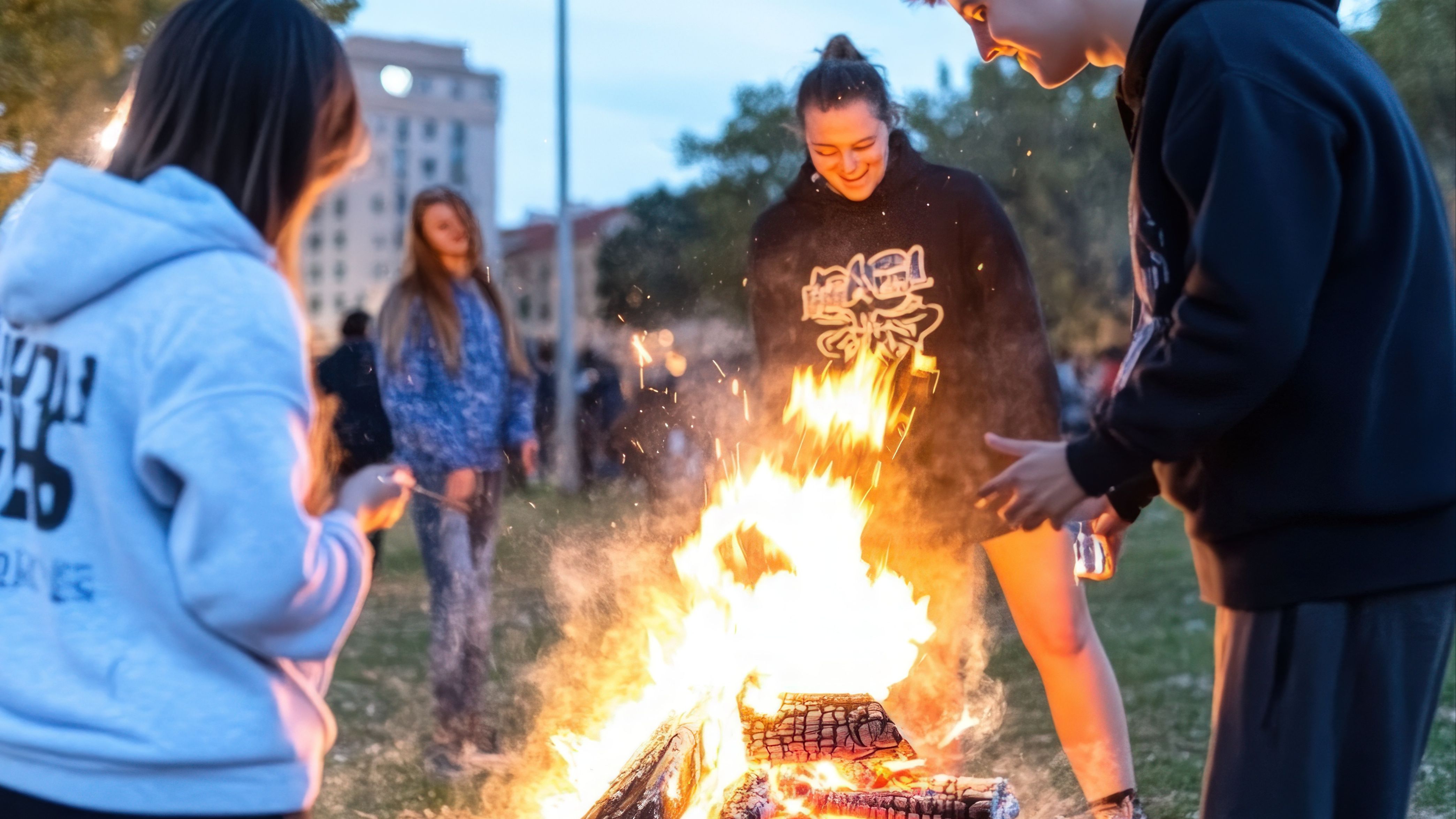
What the Yoga Practice of Tapas Teaches Us About Inner Peace
We were kneeling on the stone hearth in front of the massive fireplace of our old farmhouse. My hands were covered in newsprint from rolling up old papers and handing them to my father. I was doing my best to crumple the paper just right. It had to be compressed enough to catch fire but not so compressed that it would starve the flame of air. I watched as he chose the smallest, thinnest pieces of firewood and stacked them in a neat teepee shape over the newspapers. Keeping his attention on the task in front of him he spoke to me out of the side of his mouth, “People will tell you all kinds of ways to build a fire, but the teepee is the only way that works.” I reverently passed him the matches when he asked, wondering when I would be old enough to put a lit match to a carefully constructed pile and start my own fire.
To this day I feel a reverence for the effort it takes to build a fire. The methodical care it requires. The patience needed to let the flame ignite and brighten. I love to sit back on my heels and revel in the satisfaction of watching the flame take hold, feeling its warmth, hearing its crackles and seeing those first small sparks fly.
Most people enjoy a warm fire. But few will stop and take a moment to consider the work that went into that flame. An axe was hefted to cut that wood, a back was bent to pick it up and carry it. The papers were crumpled, the teepee constructed and the match hopefully applied. This human energy required to build the fire is what yogis refer to as tapas.
Tapas is the inner fire of self discipline or visceral fortitude. Tapas is the energy of transformation. It is the resolve to follow through on what is visualized in the mind. It is the transformative power of committed self discipline.
Tapas is stepping into the woods to gather kindling, it is hefting the axe to cut the logs, it is amassing the fuel and crumpling the papers. Tapas patiently waits until the flame takes hold before placing the heavier log on the flame. And when the flame gets low, tapas stokes the embers to restore the glow.
When the sage Patanjali described the Eight Limbs of Yoga, he wrote about five internal practices that cultivate a balanced, harmonious internal environment and spiritual growth. These practices comprise the entire second limb of yoga known as the Niyamas. Tapas is generally described as the third of the Niyamas.
In the context of the Niyamas, tapas is the willingness to accept challenges, struggle, and discomfort in an effort to burn away impurities and foster inner fortitude. This requires the practitioner to do more than acknowledge obstacles. It requires the yogi to embrace these obstacles and regard them as opportunities for transformation.
Our modern world is defined by a level of convenience and comfort that is unprecedented in human history. Endeavors that would have been prohibitively difficult in the past are a matter of minimal effort today. Our available selection of food is so vast that we have categorized certain choices as either healthy or comfort foods. This is usually based on the caloric density of these foods. We have comfortable clothes, a comfy couch and even comfort animals.
But what if all of this reference to comfort was a lie?
What westerners refer to as comfort can most often be defined as lacking effort. Comfort foods provide high caloric content with little effort. Comfort clothes are easy to put on and maintain. And in many cases, comfort animals are doing the heavy lifting of emotional regulation.
Modern consumerist culture has a vested interest in advancing the belief that effort is the enemy. We are told that if we consume this one amazing item, if we purchase this one essential thing, if we participate in this precise fantastical narrative of comfort then finally we will be happy…at peace…loved. But this halcyon state only lasts until we are presented with the next thing or idea that we are directed to purchase and consume.
But comfort is not ease. True comfort exists in the knowledge that we can effectively overcome obstacles or sit with these obstacles in peace. Resilience is the truest comfort.
Human resilience is forged in the fire of tapas. It is forged through facing challenges with regular and resolved self discipline. Tapas is the slow momentum generated with regular and consistent practice. It is not the momentum of an avalanche. It is the momentum of a trickle of water.
Every human has an inner fire that is constantly transforming us. Every choice we make pushes us in a direction. But it is the Niyama of tapas that helps us decide whether that direction is stagnation or spiritual progress.
In some instances, transformative energy can be all consuming if applied with explosive intensity. To foster sustainable tapas is to practice persistent, subdued albeit imperfect self discipline. It is a five minute meditative practice in the morning. It is a daily walk after dinner. It is taking a breath before reacting in anger. It is demonstrating civility to people that we simply do like. And it is letting go of the desire for immediate and glorious perfection and committing to taking small bites of peace every day. Patanjali devoted the entire first two limbs of yoga, the Yamas and Niyamas to the description of daily practices that provide an inner state of peace and prepare the mind for the yogic life.
The persistent practice of inner self discipline stokes the fire of resilience, creating the warmth of true comfort. Consistent, daily tending of your own fire will warm all those people around you. And this, dear yogi, is how you can transform the world.